
Drying Out
Becoming terrestrial, horologically speaking
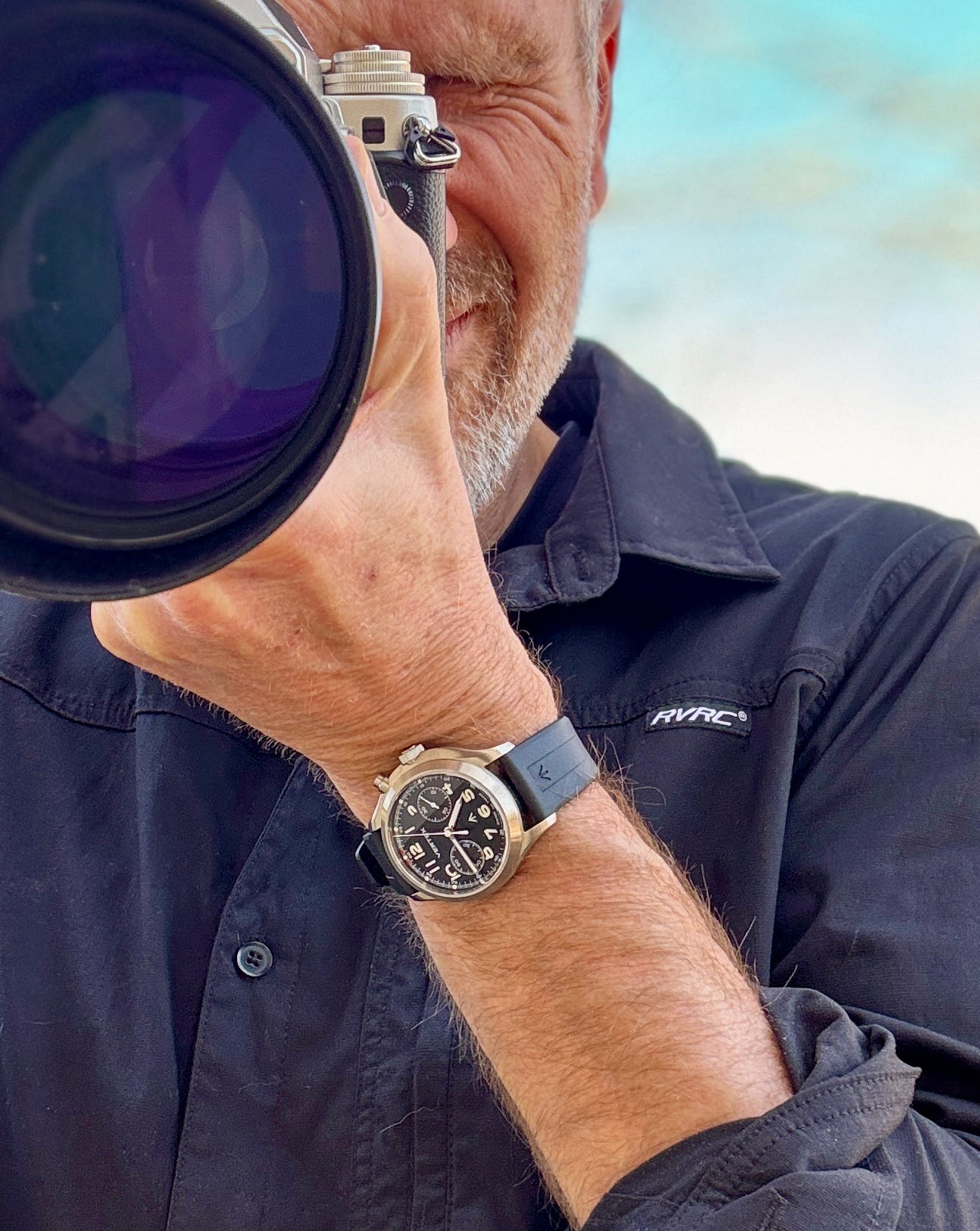
“It is not the strongest of the species that survives, nor the most intelligent that survives. It is the one that is the most adaptable to change…” — Charles Darwin
I’ve had a dive watch on my wrist since I was 17 years old. I was drawn to that first Seiko by its rugged good looks and seeming indestructibility. Later, it was my Omega Planet Ocean that inspired me to take up diving. Then watches and diving became a career and wearing a dive watch became a bit of a uniform for me. I felt there was an expectation that I always have something on that was deeply water resistant, brightly luminous, with a long rubber strap. How could I play against type? I had to come proper. My collection ran the gamut from Doxa to Seiko, Rolex to Aquastar, vintage and modern. I used to abide by an ethos that all the watches in my collection had to earn their place. If I owned a dive watch, it had to go deep at least once—no exceptions. That is changing.
If you know me, you know that I dislike being pigeon-holed. I value versatility and adaptability. I like to hike and camp, I’ve climbed mountains, I’m an avid runner and cyclist, and an automotive enthusiast. I’m so much more than a “test pilot for the world’s most illustrious undersea timepieces.” Diving has actually been a small part of my life, especially if judged by hours spent. I probably have around 700 dives under my (weight) belt. Let’s generously assume each dive is an hour long (they seldom are). That’s 700 hours underwater, or cumulatively, around one month, out of 19 years since I first got Open Water certified. Not a lot of time is it? I’m barely amphibious. Terrestrial is more accurate.

I privately have sometimes wished I wasn’t so focused on one genre of watch so associated with a very specific activity. Obviously dive watches can be worn for pretty much anything, given their inherently durable build. But I’ve had a weird aversion to wearing a chunky diver on a bike or to the gym. It’s always felt like overkill— a fish out of water, if you will—ill suited for non-aquatic activities. But let’s be honest, so are most traditional “sports watches.” That’s why G-Shocks and Garmins exist, right?
I remember being on a dive trip to Mauritius years ago and meeting a retired Royal Navy clearance diver. He was wearing a Rolex Sea-Dweller Deepsea, the one with the fade blue to black dial. It was a natural point of entry to conversation on the dive boat. He told me he seldom dives anymore, preferring snorkeling on holidays with his family. Diving had been work for so many years that breathing off of an air cylinder just wasn’t as appealing. I haven’t quite reached that point, but I will say that of those 700 dives in my own logbook, most of them were work; i.e., watch reviews or commercial photo shoots, usually wearing a borrowed watch. I didn’t do a lot of diving purely for fun. I came to associate it with a job or a project, and dive watches were attached to that—if not “tools” in the strict sense, they were still a necessity of the work itself. I sometimes looked forward to being back on dry land, wearing anything besides a dive watch.
I actually own a few watches that are not divers. I have a bronze Vertex M100, a Clemence Munro, a Sinn 144 chronograph, and an anOrdain Model 1 with an enamel dial. I also own a watch that is perhaps the antithesis of a dive watch—a 1950s Breitling Navitimer, an equally purpose-built tool, but one made for professional pilots that have no business being around, or under, water. Not only is it very old and very rare, but even when it was new, it was entirely hydrophobic, lacking even a basic gasket on the case back or bezel. Wearing it in the rain is risky. As my career arc is evolving, I’m diving even less, and rarely writing about diving. I’ve grown legs and crawled on to dry land. And I’m enjoying wearing watches that aren’t dive watches.
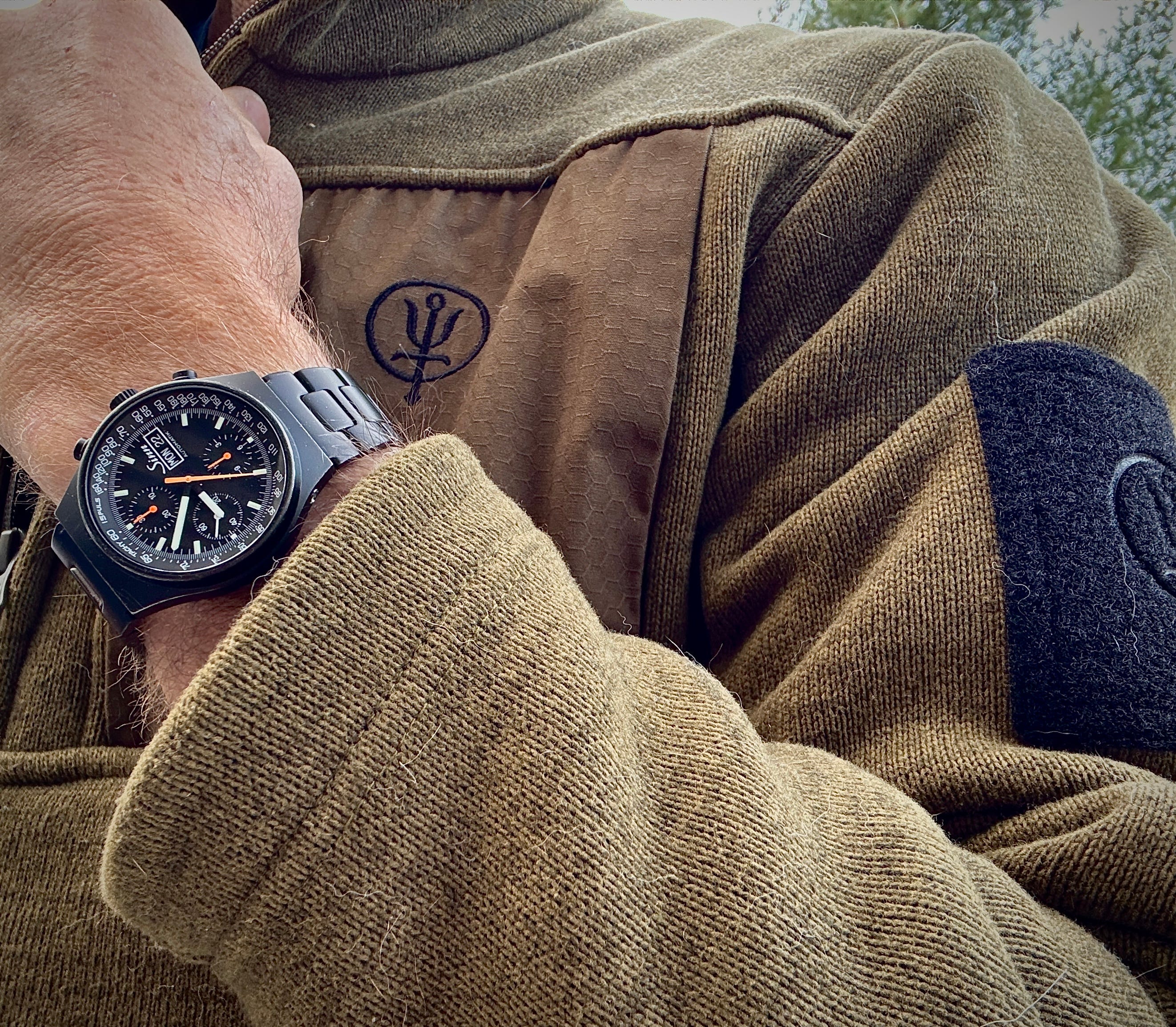
There’s this concept well known to enthusiasts as the “GADA” watch: Go Anywhere, Do Anything. It’s a variant of the mythical “one” watch that many aspire to, but seldom achieve—a timepiece you could wear to dive a shipwreck or bag a peak, then wipe off and wear to the office on Monday. Often this is a dive watch, though there’s no particular reason that it needs to be. Odds are, if you’re diving and not a complete analog Luddite, you’re wearing a dive computer; therefore, you don’t need that rotating timing ring. You just need some decent water resistance, if you insist on wearing a watch at all. I say 100 meters is more than enough, and I’ve dived with a number of watches with that depth rating, from a Rado Captain Cook to a Swatch x Blancpain Scuba 50. Neither of those even had a screw-down crown.
The way that diving fits into my life now means it’s more of an occasional adventure, than a monthly work project. As much as I value versatility in my gear, diving is a sport with very specific kit, much like skiing or sailing. A buoyancy wing or breathing regulator has no purpose other than while scuba diving. My digital dive computer lies dormant in my mask case with my other gear until called upon for its task of tracking my dive time and no-deco limit. I’d not suggest that my dive watch(es) serve a similarly intermittent purpose. After all, they do still tell time and look damn sexy. And, as I’ve written before, a dive watch is a symbol of adventure and that is reason enough to wear one. But there is a whole horological world outside of dive watches and I’m enjoying exploring it.
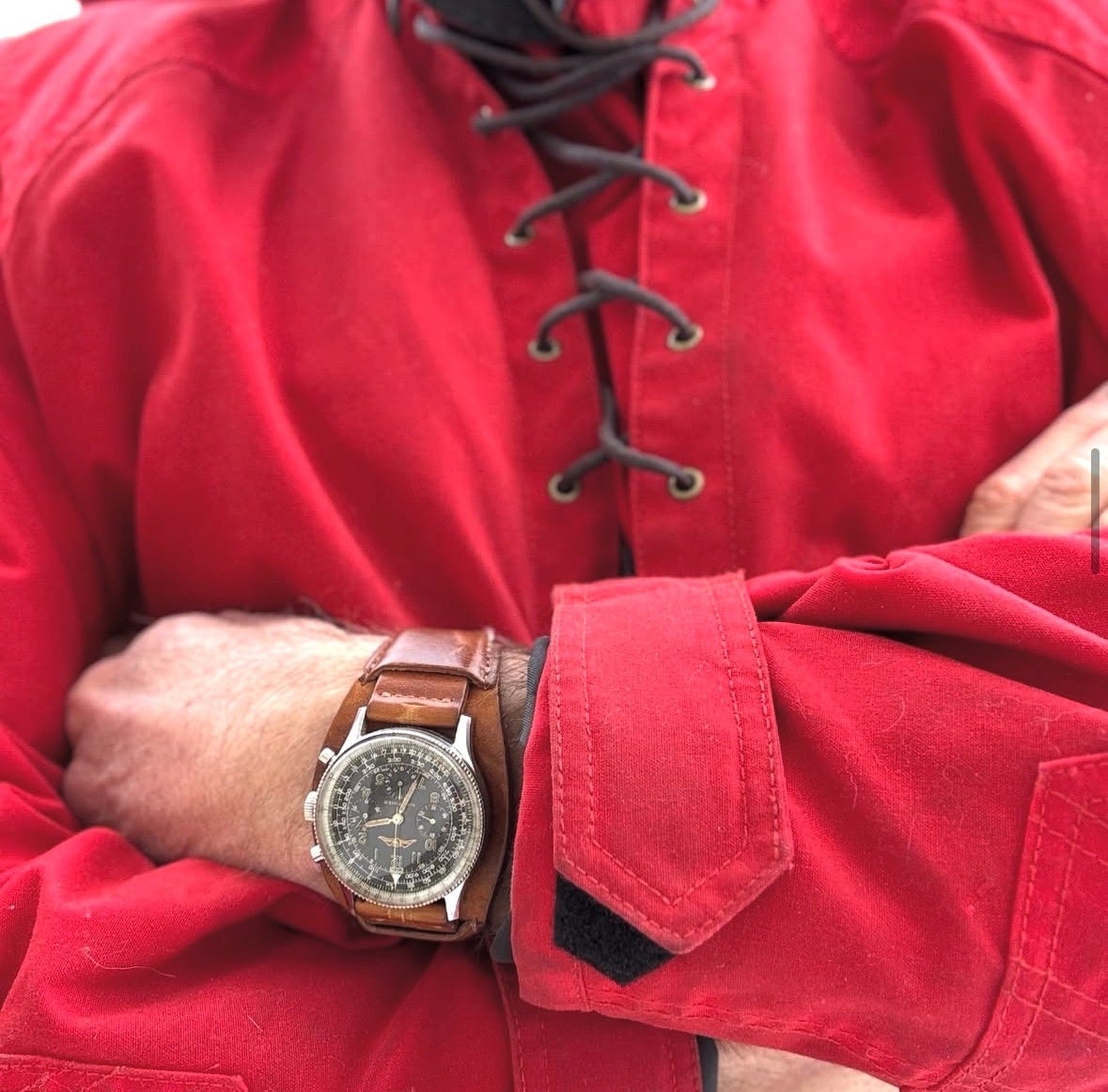
I’m feeling a little more emboldened to set aside my former “uniform” and wear my other watches more often. In fact, it has rekindled a sense of excitement and wonder to explore the other genres of watch with fresh, more “civilian” eyes. I’ve been wearing a handwound Vertex monopusher chronograph for days straight recently. Its legibility, lume, and rubber strap feel as functional and rugged as any of my divers, and it is rated for 100 meters of water resistance, so I’m treating it like a proper GADA watch. I’d not hesitate to take it diving, though I have no plans to anytime soon. But it’s been on my wrist for runs, gym workouts, and DIY renovation work. It’s a bit of a revelation for me, honestly, like shaving your head, sporting a beret, or driving a Prius when you’re used to Land Rovers, only to discover that you can still fit an 8-foot pile of lumber in the back. I’m going to lean into it. Who knows, perhaps in another few years, when I’ve hung up my fins for good, I’ll become a—gasp!—dress watch guy, sporting a Jaeger-LeCoultre Reverso or a Cartier Tank. I doubt it, but never say never. If fish can learn to walk, I can evolve too.
What a ride it’s been so far. You’re not about to slow down either in the water or out!. You will always find something interesting to write about. Dad
IMHO you aren’t too active for dressy or unsporting watches, nobody is.
I race bikes (tour de Transalp) run marathons (2:45) and like ocean swims (1:30 pace) and solo kayak camping tours (not too hard to find desolation in Desolation Sound BC). I prefer a jog over walking, and running over a jog.
Will re cert my Open Water this summer and do it with my kid who also loves the ocean (sailing and swimming) and wants to try out diving.
Ok - watches. Like you, have several divers and lightweight sportswatches. BUT, I flat out LOVE my dressy soft YG Breguet Tradition 7037 and my GS Ryusendo (I visited the stunning cave system last summer). No WR and probably best be gentle with these watches, and it’s fine!
My point is, you already have space for some purely beautiful watches in your life. Watches not fit for fixing a Land Rover or swimming across a bay - but awesome for time with wife at a restaurant or beer with a friend. (speaking of Land Rover - you, of all people, need the De Rijke Land Rover Champlevé enamel dial watch!)
Despite my day already having bike rides (commuting) and running (interval training before work) I’m currently on the sofa and wearing my 7037.. I put it on the second I got home, and I love it. I think you're due for a similar impractical but beautiful watch!