
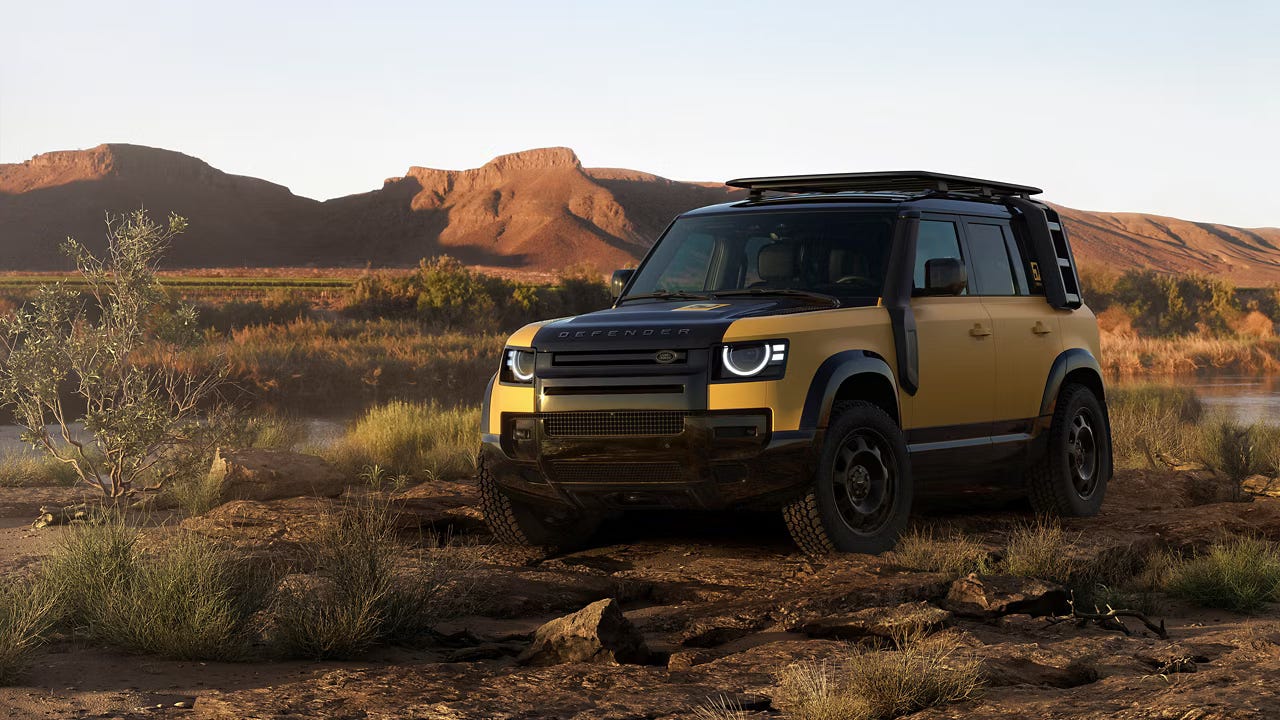
My, how times have changed. It was only two years ago this week that I was packing to fly to Geneva for the annual Watches and Wonders extravaganza: a sportcoat, nice shoes, my laptop, and a quiver of watches. It was a ritual I took part in for a decade. The jetlag collapse on the bed at the Hotel President Wilson, the reunions with friends in the lobby before a wine-fueled dinner in an overheated restaurant, morning runs along Lac Lemán, way too much espresso, aching feet from walking miles in the Palexpo exhibit hall, hugs, handshakes, and triple cheek kisses, then the inevitable illness that would follow a week later back home. And watches—so many watches. I’ve been watching the ramp-up from afar, an observer on social media like so many others now. I don’t really miss it. And as if to strike an even greater contrast from my past, this week I am preparing to fly to British Columbia to compete in the North American finals of the Defender Trophy, an outdoor adventure and offroad driving competition hosted by Land Rover.
If you’re unfamiliar with the Defender Trophy, you can read my earlier post here. At the time I wrote that, I thought I missed the cut and wouldn’t be competing. But then I got a surprise call from the organizers, saying I had a slot. That was only a few weeks ago, and I’ve been in prep and pack mode since. A link provided by Land Rover detailed the rough itinerary, what to pack, how to prepare, and what to expect. In many respects, I feel like I was built for this sort of thing—gear, fitness, outdoor skills, Land Rovers, and some likely discomfort and physical exhaustion. Yet, given the short window of prep time, and the relative atrophy of some of my outdoor chops instilled a sense of urgency to get up to speed.
On the gear side of things, I’m confident I’ll be well prepared. It’s only a two-day event, held in a “remote part of British Columbia,” specifically the region about two hours from Vancouver, close to the town of Mission. As far as I can tell, the wave of competitors with whom I’ll be grouped will be based at a wilderness camp, and close to an offroad driving course. The weather promises to be seasonally chilly and damp, so versatility in clothing and footwear will be key. It feels not dissimilar to my prep for the Fan Dance, in the mountains of Wales, for which I had to plan for different weather contingencies, that could change even during the event itself. We will be provided with a drybag, a hard shell jacket, cap, and a sleeping bag, all of which we can keep. But I’ve learned not to trust gear swag, so I’ll be packing most of my own kit.
I’ve got rain gear, merino wool base layers, lightweight hiking shoes (we were told to expect running, hiking, and possibly biking, in addition to driving), a cap, gloves, and dry layers. The key will be to wear clothes that dry fast and keep me warm even when wet. I don’t bother trying to keep my feet dry anymore. Waterproof footwear is a compromise, and it’s better to simply plan for damp feet but wear shoes that drain and dry quickly. Speaking of damp, I was told to pack a swimsuit. I expect there will be some rather chilly swimming in a lake or river, and not an evening hot tub party.
Of course, the most important piece of gear to consider is, as you might expect, my wristwatch. I have narrowed down a few options: the Elliot Brown Holton, for its tie-in with Land Rover and overall ruggedness, my Vertex MP-45 for its Britishness and chronograph function, my Tudor Pelagos FXD because it’s indestructible, a Sinn 144 for the same reason, plus a chronograph, or my CWC TGN crew watch. As of this writing, I’m leaning towards the CWC. It is incredibly light and slim, its fixed strap system means I won’t have to worry about losing it to a broken springbar, and its quartz movement should be impervious to the inevitable knocks and abuse that will come. It’s also, fittingly, a British brand, and countless CWCs have been in Land Rovers since the 1970s. I also wore its prototype for the Fan Dance and I like the tie-in of using it for another challenge, one I can remember when I wear the watch for years to come.
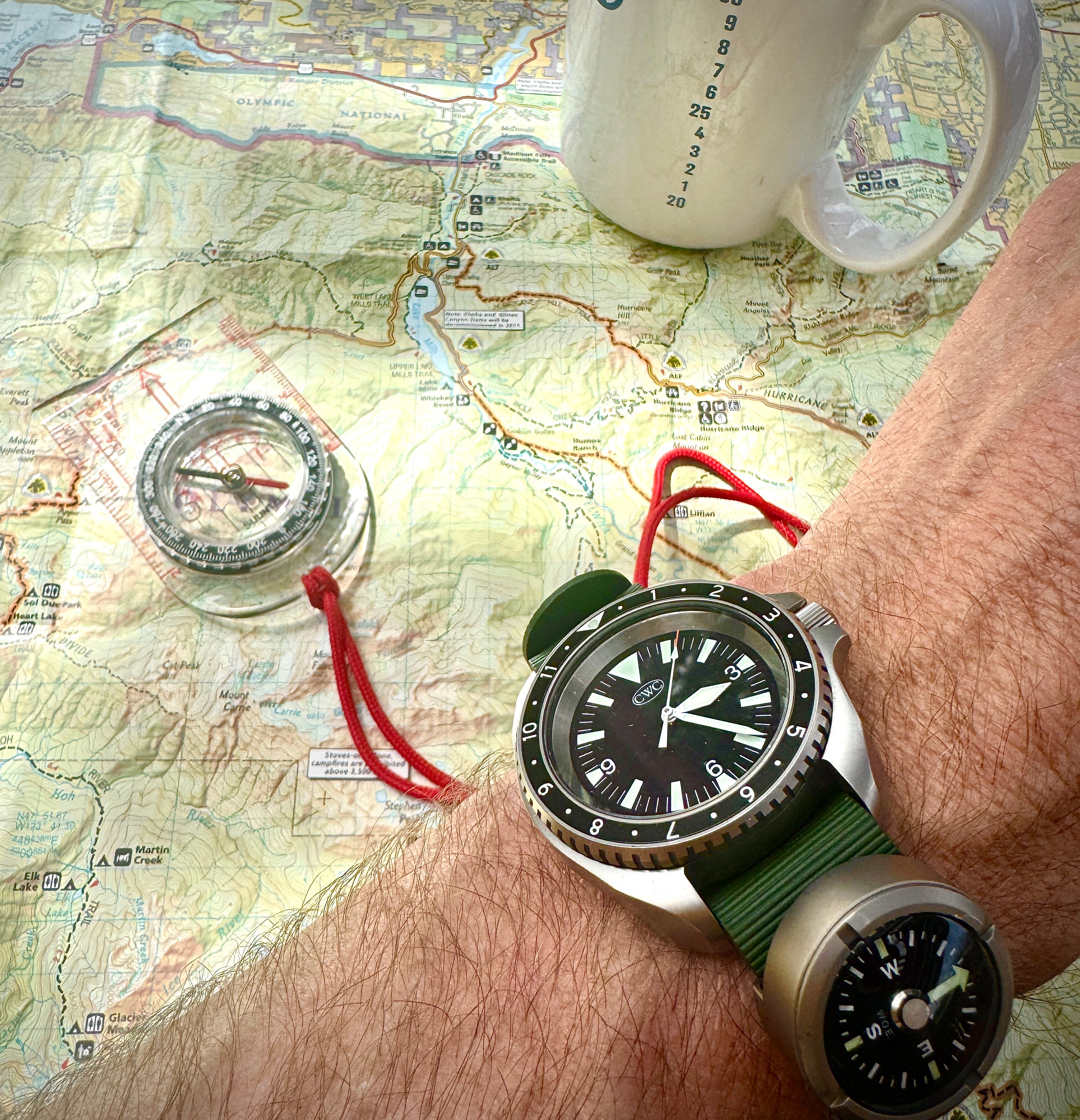
In terms of skills, there was a list of competencies to bone up on, most of which I have learned at some point in my life: compass navigation, map reading, tying knots, as well as offroad vehicle skills such as using a winch and employing a farm (“Hi-Lift”) jack to either raise a vehicle or use as an impromptu winch. The orienteering and knot tying I once knew well from my brief stint in the Boy Scouts (loved the camping, hated the merit badge stuff), and from a few years doing adventure racing, but those skills have gotten rusty from lack of use. So I’ve been tying clove hitches and bowlines over and over the past few days, checking my pace count, and taking compass bearings in my neighborhood. I own a farm jack that I’ve never used—I bought it for the offroad driving course I took a few years ago. I pulled it out yesterday and used it to raise my old Land Rover. It’s a simple, powerful device, but one that could break your arm if you’re not careful. I’m pleased to say I came away from my practice unscathed.
There’s also a fitness element involved, as one might expect. Competitors must be able to swim, and be comfortable running 2-3 miles, as well as lift and carry heavy things, presumably vehicle tires and logs to build bridges or remove obstacles. Here I’m thankful to have a baseline of fitness to draw on, after years of thrice-weekly runs, and twice-weekly strength training all winter long. I assume I will be one of the, shall we say, more mature, competitors, so I’ll need that fitness to keep up.
The variable—and it’s a big variable—is a familiarity with the vehicle itself: the latest edition of the Land Rover Defender. These are not the agricultural machines like the two I own. The prep sheet I was sent said to be familiar with all the driving aids, terrain response modes, how to raise and lower the air suspension, and engage low range. This, to me, is the most intimidating part of the competition. If I was competing in my own Defender, with its manual gearbox, lever-actuated transfer case, and coil suspension, I’d feel more confident. But modern Defenders, or modern vehicles in general, scare me a little. So I booked an appointment last week at the local Land Rover dealer to take a test drive.
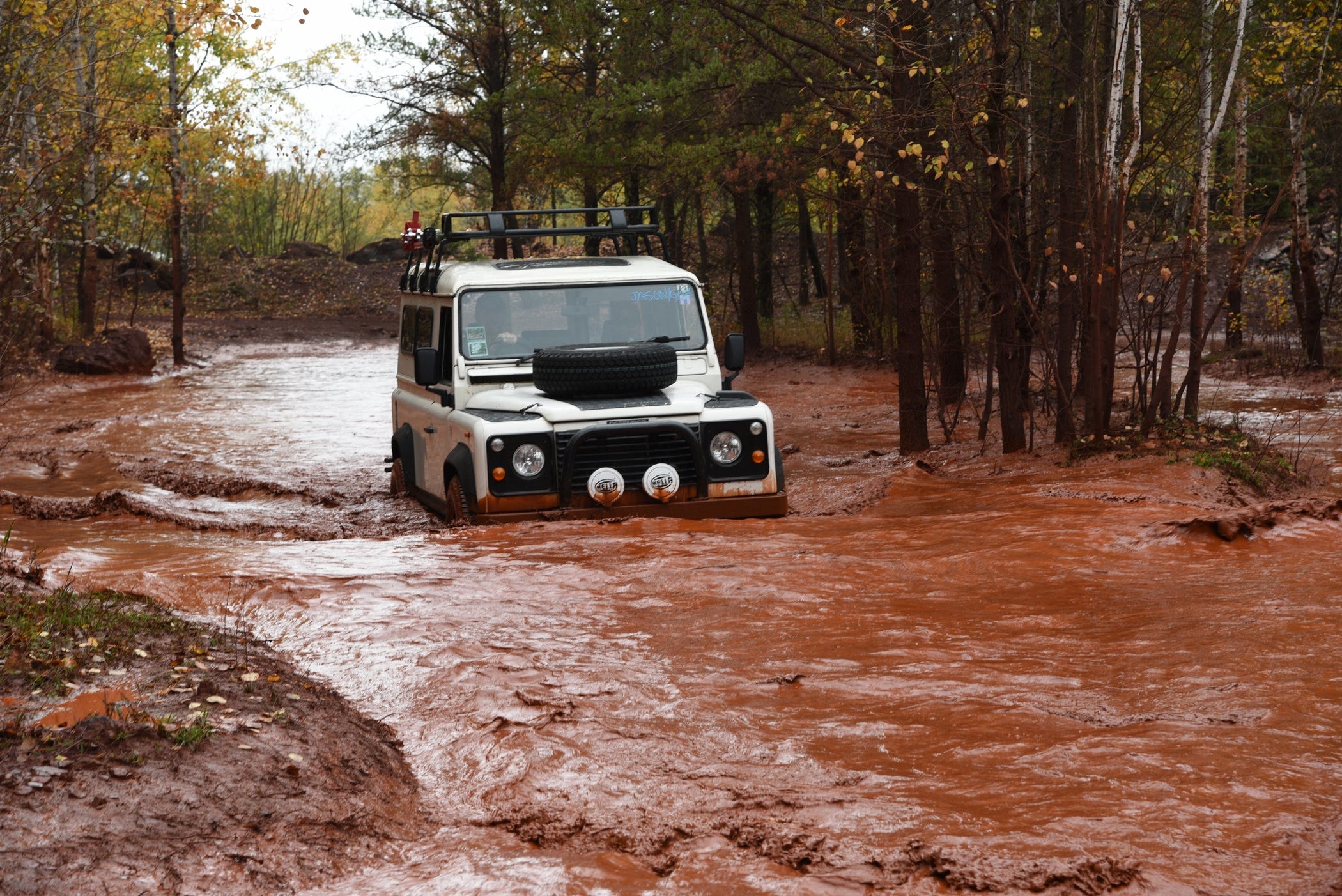
Naturally I drove my Defender to the dealership. As I pulled into the parking lot, two sales people came out the door, phones raised, snapping photos as I parked. One asked me, “is that an old Land Rover?” Not off to a good start. The young man who would accompany me on the test drive, nor anyone else I spoke to, was aware of the Defender Trophy, which seemed like a missed opportunity for Land Rover. After all, this is a marketing exercise for the brand, and they’re even selling a Defender Trophy edition Defender, painted in the iconic Sandglow yellow of the old Camel Trophy fame. As I waited in the lounge for the chap to fetch the keys, I looked around for evidence of Land Rover history, but saw none. It was all sleek furniture, coffee table books about architecture and design, brochures for the latest $100,000 Range Rover, and potted plants. Where were the books about the 1955 Oxford and Cambridge Far East expedition, or the photos of mud spattered Camel Trophy trucks? Land Rover has changed. It’s a luxury brand, much like Rolex, yet even Rolex knows enough to trade on nostalgia for exploration, the jet age, and scuba diving.
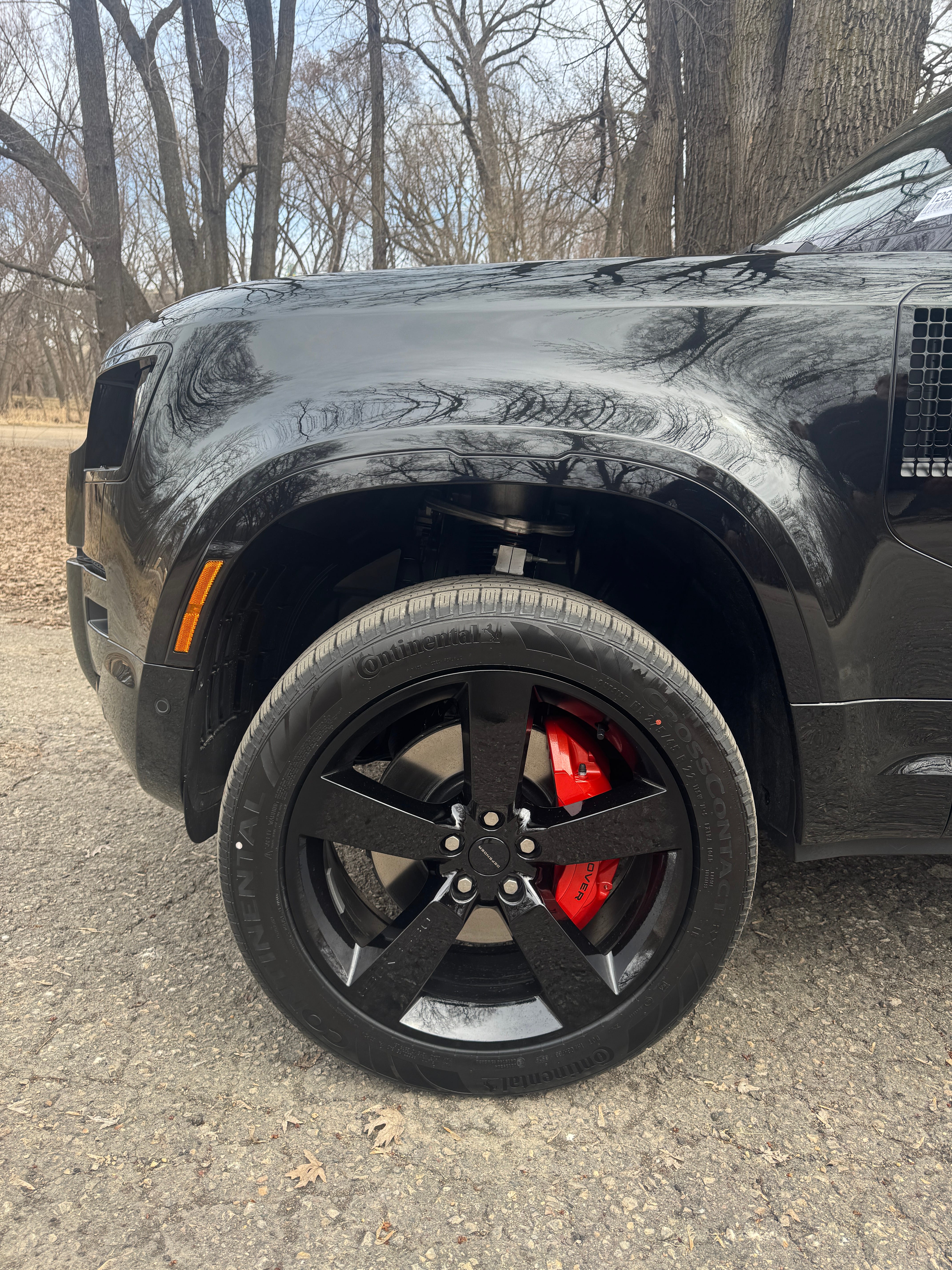
The test drive went well. The Defender is a beautiful vehicle. It’s fast, it’s quiet, it’s comfortable—all things my old Defender is not. It is also, I suspect, eminently capable offroad, and on. All functions are controlled via some dashboard dials and touchscreen buttons. There are settings for mud/snow, sand, rock crawl, as well as wading through water. The air suspension will raise the vehicle for offroad clearance, and kneel to “access mode” for stepping out at curbside. The center cubby box is refrigerated. There is, as the salesman told me, a “poodle fan” in the rear to keep an owner’s dog cool. This is not a vehicle for transporting sheep, or soldiers, or for towing artillery anymore. It is a luxury vehicle that happens to be very capable offroad. If it sounds like I’m disparaging it, I’m not. Would I love to own one? Sure, I think it would be amazing to drive on a daily basis, and take on adventures, though I’d cringe at loading muddy gear or scraping the paint on branches. I can’t wait to experience its prowess on the trail later this week.
Before I left the dealership, I met with a service technician who has worked for Land Rover for decades. He was the one person I talked to that was familiar with the Camel Trophy, old Defenders, and offroad driving. I needed to know where the jacking and recovery points are on the Defender and he showed me, though he said there’s no way you could jack it with a farm jack without doing some serious damage to the bodywork. We talked about Defenders old and new and he said he can’t even raise the bonnet (“hood” in American) without plugging in his laptop. Still, he encouraged me with his admiration of what the new Defender can do, and I left feeling more confident than I did when I arrived. But my experience driving my old Defender (and Series 3) will be of no help in the Defender Trophy, I’m afraid.
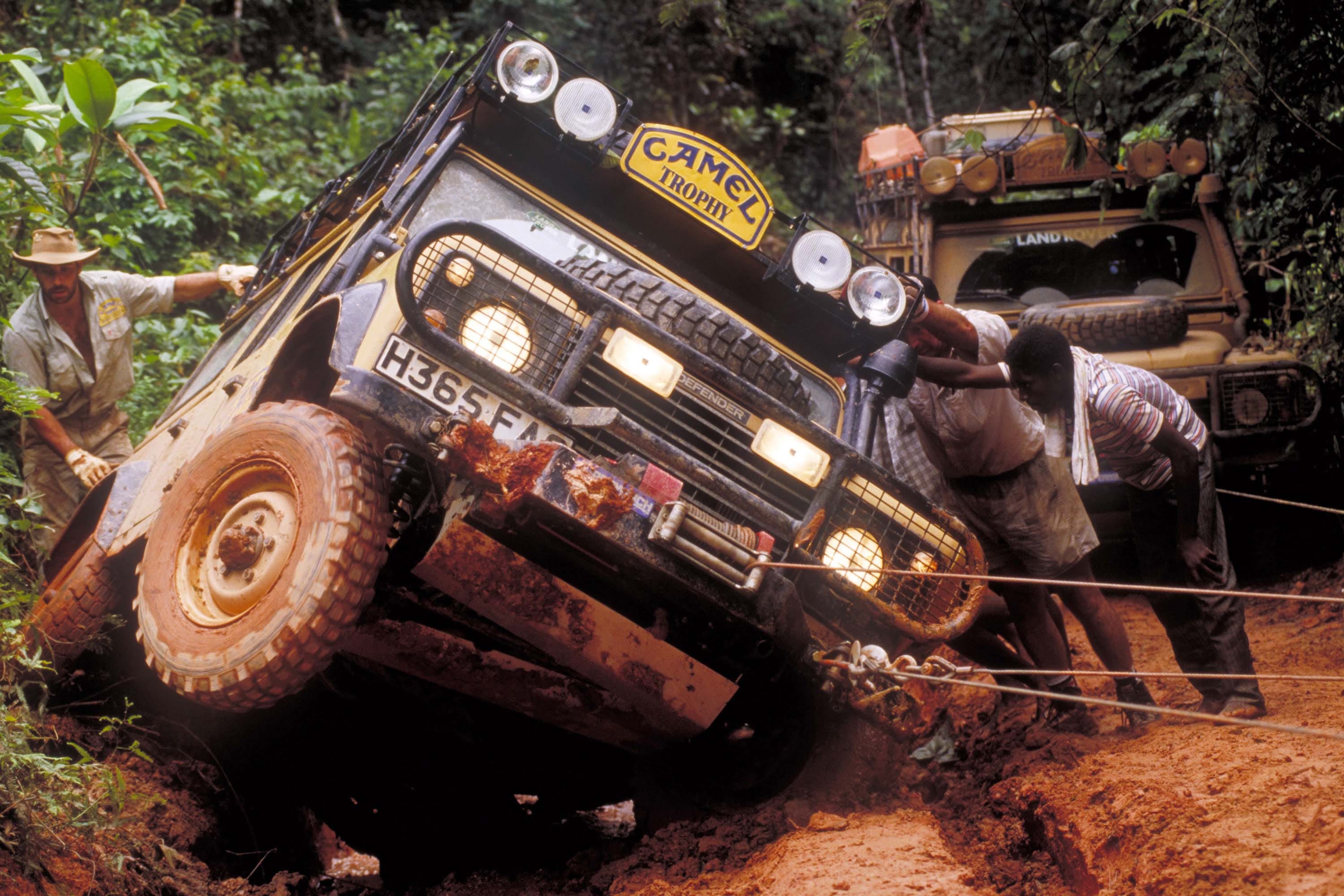
The competition will be carried out among teams of people that change during the days, but we are scored individually. There are three waves of selection rounds, of roughly 40 people in each, from Canada and the US. The top two from each country will then move on to the finals in Africa, slated to be filmed as a reality TV series, in October. I expect some backwoods navigating, some tire changes, log bridge building, offroad driving, problem solving, knot tying, winching, and jacking. Likely some swimming, and I am guessing a lot of mud. Aside from those educated guesses, I really don’t have any expectations, other than to have fun in a pretty unique opportunity. One thing is for sure, it will be very different from looking at watches in Geneva, and I’m OK with that.

Years ago my ex and I and another couple were at a remote bird watching lodge in Panama. Since we were just a group of four, the guide took us birding in a Porsche Cayenne. We drove some crazy rough roads in that thing and it performed amazingly well. At the end of the day the staff cleaned it up and it looked ready for a drive to the opera. Very impressive!
You were made to do this. Godspeed my boy. Dad